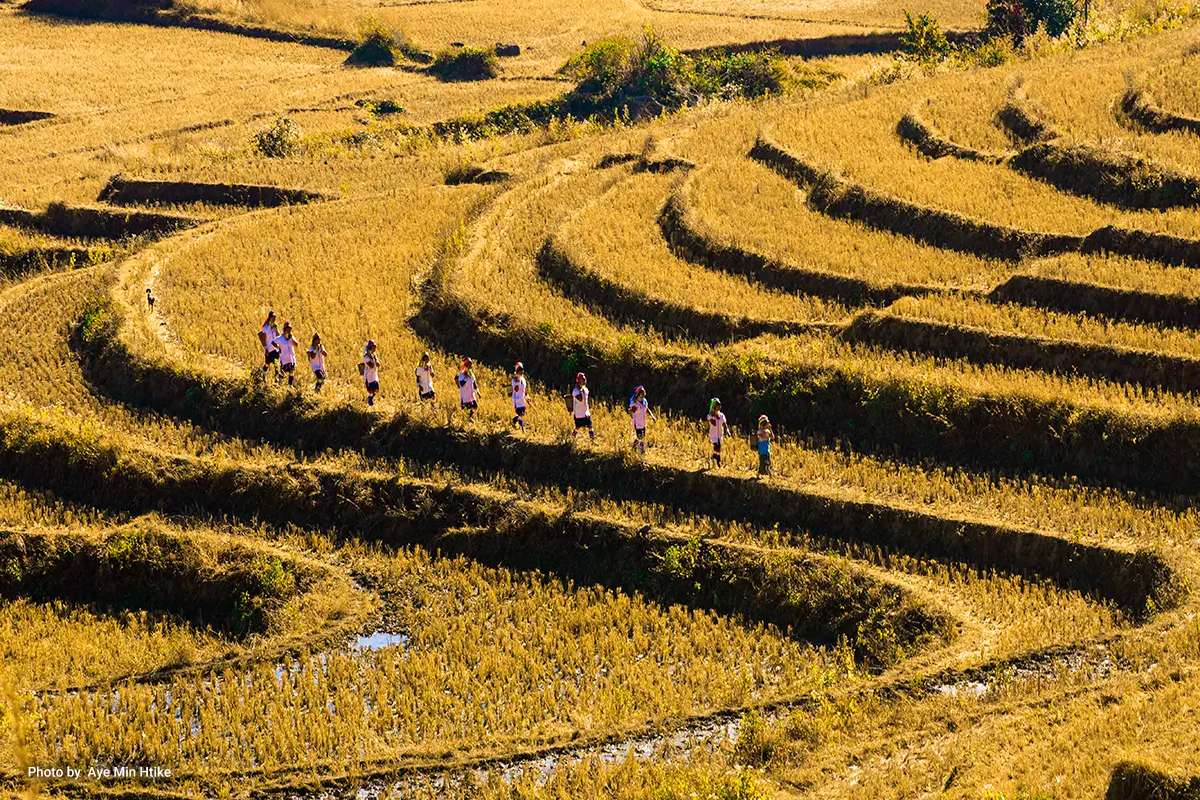
Southeast Asian agriculture is tropical by nature.
It is shaped by heat, humidity, monsoon rains, typhoons, dry spells, floods, pests, diseases, and the region's rich biodiversity. It includes rice fields, upland farms, orchards, aquaculture ponds, coconut areas, vegetable systems, coffee landscapes, agroforestry plots, and home gardens.
These conditions make agriculture in the region both rich and vulnerable. The tropics can produce abundant food, but they are also highly exposed to climate stress.
The International Day of the Tropics is a good moment to ask: what kind of agricultural transformation does Southeast Asia actually need?
Tropical farming is different
Agricultural solutions cannot simply be copied from temperate systems and expected to work in tropical landscapes.
Farmers in the tropics work with rain that can arrive too hard or too late, pests and diseases that spread quickly, soils that vary from place to place, and harvests that can be difficult to store, transport, and sell. Heat and humidity can affect crops, livestock, fish, postharvest handling, food safety, and transport. Storms and floods can destroy production in days. Dry spells can undo months of work.
This means that Southeast Asia needs locally tested solutions. Climate-resilient varieties, water-smart farming, agroforestry, circular agriculture, sustainable aquaculture, digital advisories, postharvest systems, and nutrition-sensitive policies must be adapted to the realities of tropical agriculture.
Innovation is not only technology
When people hear "agricultural innovation," they often think of drones, apps, sensors, machinery, and new crop varieties. These are important. But tropical agriculture also needs institutional innovation.
Farmers need extension systems that can respond to changing risks. Researchers need stronger links with communities. Local governments also need information they can use—not just reports, but data that helps them plan for real conditions on the ground. Universities have a role, too, because the next generation of graduates will need to understand food systems that are no longer simple or predictable. Policies must also make room for both productivity and sustainability, while giving proper value to Indigenous and local knowledge that has long helped communities work with tropical landscapes.
This broader way of thinking is reflected in SEARCA's 2026 Training Workshop on Transformational Agricultural Innovation Systems, or TrAInS. The program made a simple point: new tools and research matter, but they are not enough. Agriculture changes when the people and institutions around farmers are also ready to help those ideas work in real life. It requires stronger innovation systems that connect institutions, policies, knowledge, research, extension, farmers, and communities.
That is exactly what tropical agriculture needs: not isolated interventions, but connected systems that help solutions move into practice.
The tropics can lead in practical solutions
Southeast Asia is often described mainly in terms of vulnerability. But the region is also a source of practical knowledge.
It has experience in rice-based systems, agroforestry, aquaculture, community seed systems, farmer organizations, local food cultures, disaster adaptation, biodiversity-based livelihoods, and regional cooperation. It also has a growing pool of young researchers, entrepreneurs, extension workers, and institutions working on food systems transformation.
If supported well, tropical agriculture can lead in climate-smart rice, circular farming, sustainable aquaculture, low-carbon value chains, digital advisory systems, and locally grounded innovation.
Education and partnerships matter
The future of tropical agriculture will depend on people as much as technology. Southeast Asia needs graduates, researchers, extension workers, policymakers, entrepreneurs, and community leaders who can work across disciplines.
This is why education, training, and institutional development matter. Climate risk, food security, biodiversity, nutrition, and rural livelihoods are connected. The people working on them must be able to connect ideas, sectors, and communities.
SEARCA's broader SUSTAIN Southeast Asia direction is relevant here because it frames agricultural transformation as an innovation-driven, inclusive, and sustainable agenda for the region.
A tropical future worth investing in
The tropics are not a side story in global agriculture. They are central to the future of food, climate resilience, biodiversity, and rural development.
For Southeast Asia, the task is not simply to make agriculture produce more. It is to make agriculture more resilient, more inclusive, more knowledge-driven, and better suited to tropical realities.
The International Day of the Tropics is a chance to tell that story: the future of Southeast Asian agriculture will depend on how well the region understands, protects, and transforms the tropical systems that sustain it.