
Why tropical agriculture matters for Southeast Asia's climate future
Southeast Asian agriculture is tropical by nature.
It is shaped by heat, humidity, monsoon rains, typhoons, dry spells, floods, pests, diseases, and the region's rich biodiversity. It includes rice fields, upland farms, orchards, aquaculture ponds, coconut areas, vegetable systems, coffee landscapes, agroforestry plots, and home gardens.
These conditions…
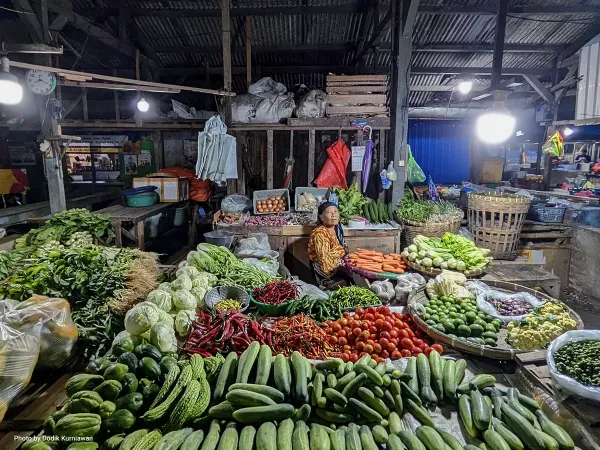
How Southeast Asia's food culture can support sustainable agriculture
Food in Southeast Asia is never just food.
It is family, memory, place, livelihood, and culture. It is rice cooked daily, fish dried or fermented, vegetables from home gardens, fruits from tropical orchards, herbs gathered from backyards, and recipes shaped by landscape, migration, trade, and tradition.
Sustainable Gastronomy Day invites us to look at…
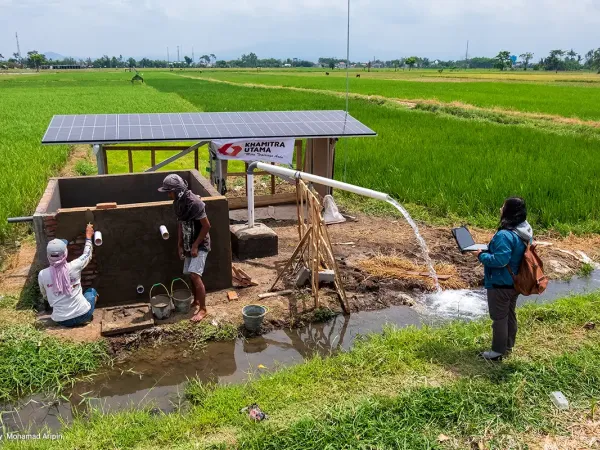
Building drought resilience in Southeast Asian agriculture
In Southeast Asia, drought can appear in rice fields, upland farms, orchards, livestock areas, aquaculture ponds, and river deltas. It can come as a failed rainy season, a long dry spell, a heat wave, low river flow, water competition, or saltwater intrusion. A farm does not need to be in a desert to suffer from lack of water.
For farmers, drought is not…
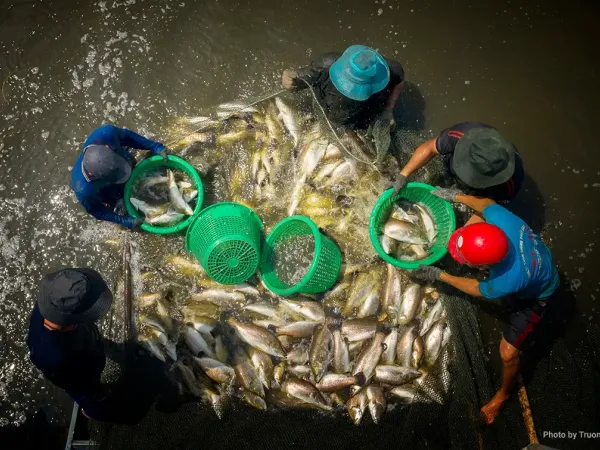
Feeding Southeast Asia through sustainable aquaculture
In Southeast Asia, the ocean is part of what people eat, sell, trade, and live from. Fish, shellfish, seaweed, and other aquatic foods are woven into daily meals, local markets, regional trade, and rural livelihoods.
World Oceans Day is often framed around marine conservation. That is important. But for Southeast Asia, it should also be framed around food…
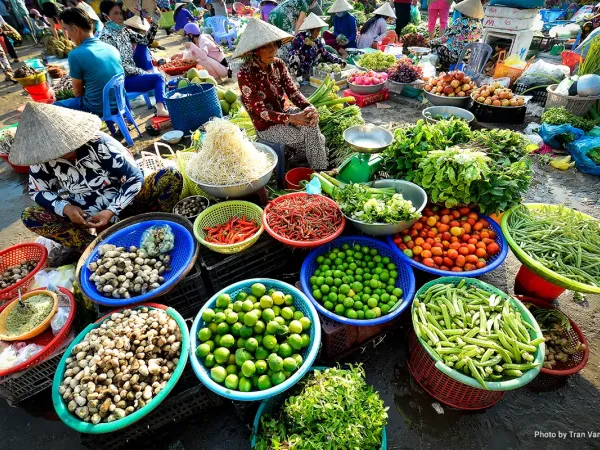
Safe food starts long before the kitchen
Food safety is often imagined as something that begins in the kitchen. We think of washing hands, cooking food properly, checking expiry dates, and keeping raw and cooked food apart.
All of that matters. But food safety begins much earlier.
It begins with water used on farms. It begins with how crops are grown, how animals are raised, how fish are…