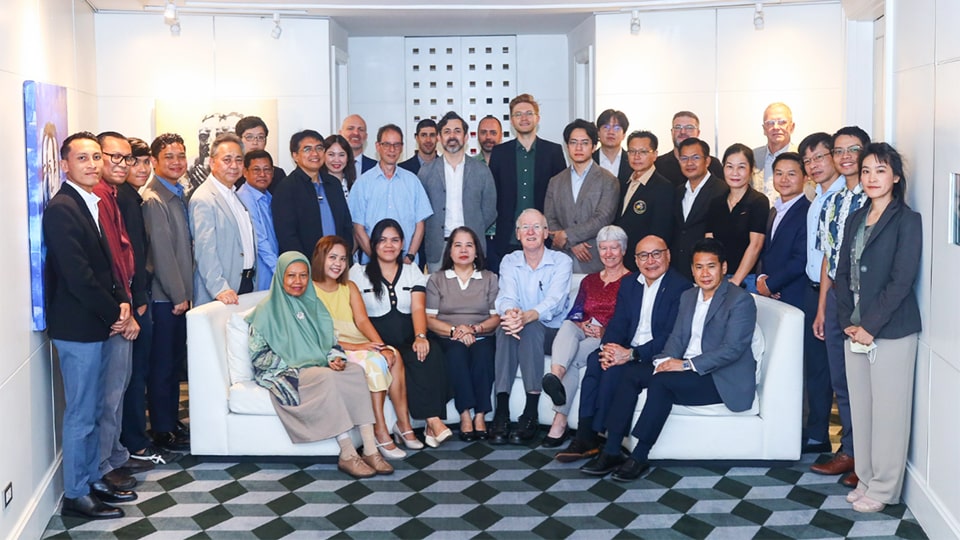
BANGKOK, Thailand—Over 40 policymakers, researchers, and development partners from Southeast Asia convened on 3–4 June 2025 in Bangkok for the ASEAN Climate-Smart Livestock Investors, Extension and Science Forum, which aimed to align science, policy, and investment toward low-emission livestock development.
Co-organized by the New Zealand Climate Smart Agriculture Initiative, the Food and Agriculture Organization of the United Nations – Regional Office for Asia and the Pacific (FAO-RAP), and the Southeast Asian Regional Center for Graduate Study and Research in Agriculture (SEARCA), the forum brought together representatives from government, academe, and international organizations to identify collaborative approaches for developing climate-smart livestock solutions that reduce greenhouse gas (GHG) emissions while ensuring food security.
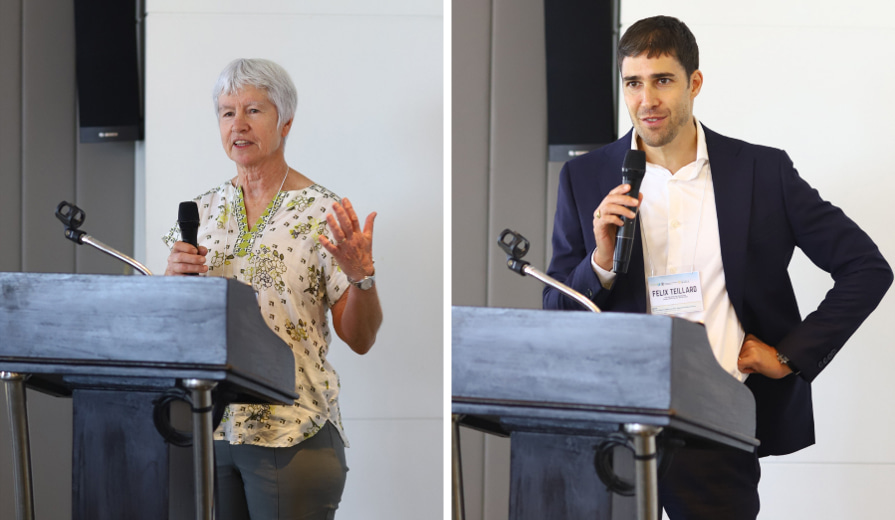
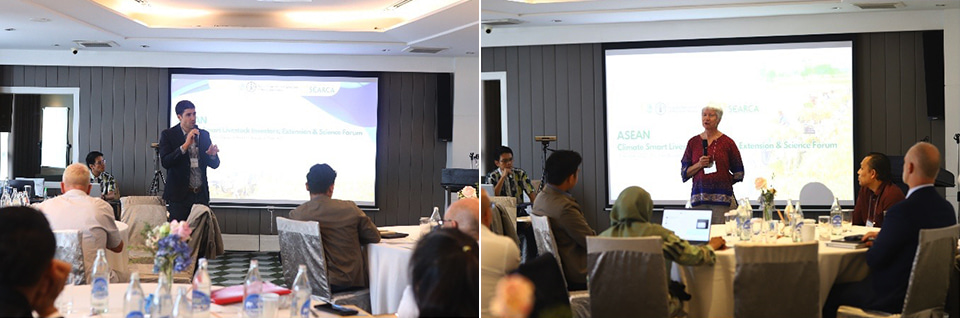
"We need to make those farming changes now—because becoming good ancestors takes commitment," said Ms. Trish Ranstead of New Zealand's Ministry for Primary Industries (NZ MPI), stressing the urgency of low-emission interventions and coordinated investment.
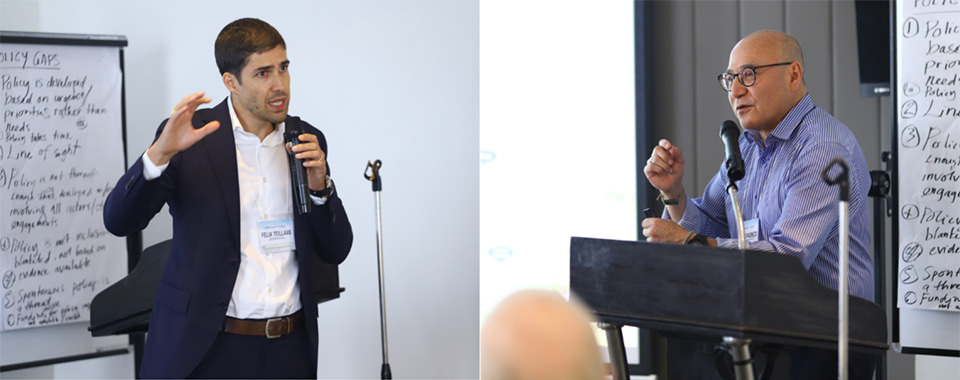
A keynote message from FAO's Scott Newman, delivered by Mr. Felix Teillard, reinforced the importance of scalable, science-based solutions for livestock GHG mitigation.
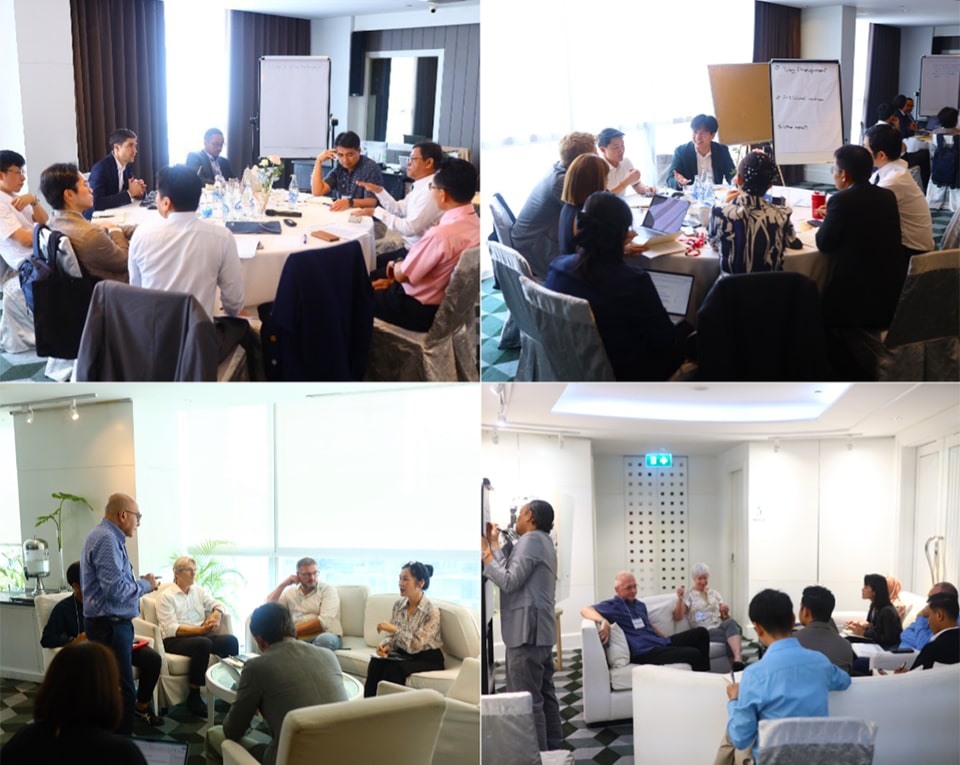
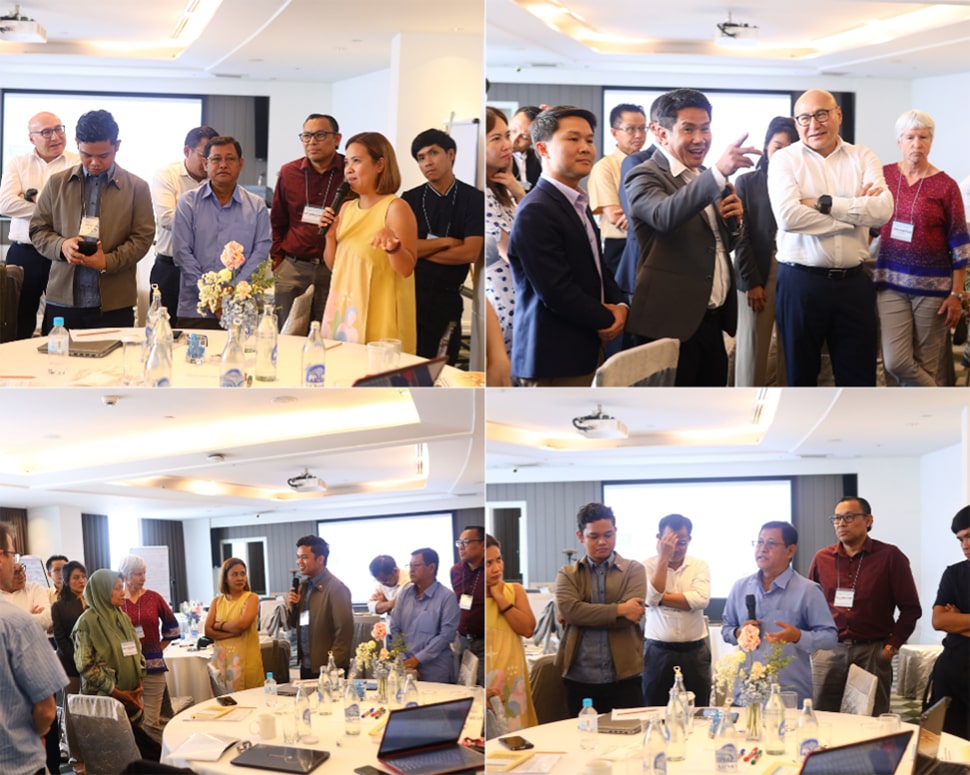
On the forum's first day, participants discussed policy readiness, measurement challenges, and tailored mitigation strategies. Breakout groups identified key barriers such as fragmented data systems, limited technical capacity, and the need for region-specific innovations.
A scaling-up session featured examples from New Zealand and FAO, including feed optimization, breeding programs, and the "Cool Sheep" initiative—demonstrating how research can lead to real-world impact.
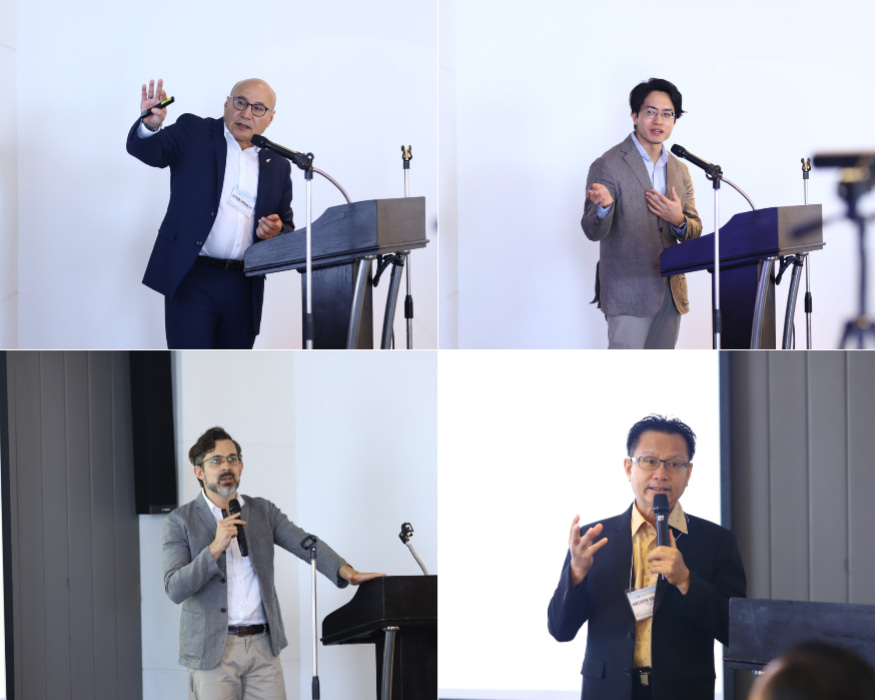
Brief presentations on the second day highlighted regional GHG-focused initiatives and their added value to country-level efforts. Dr. David Pacheco presented the New Zealand Climate Smart Agriculture Initiative in ASEAN, followed by Mr. Jisu Min on the Global Green Growth Institute's ASEAN-Korea Cooperation Program for Methane. FAO-RAP's Mr. Beau Damen outlined FAO's regional programs, while Dr. Kritapon Sommart of Khon Kaen University in Thailand introduced the Lancang-Mekong Dairy Program.
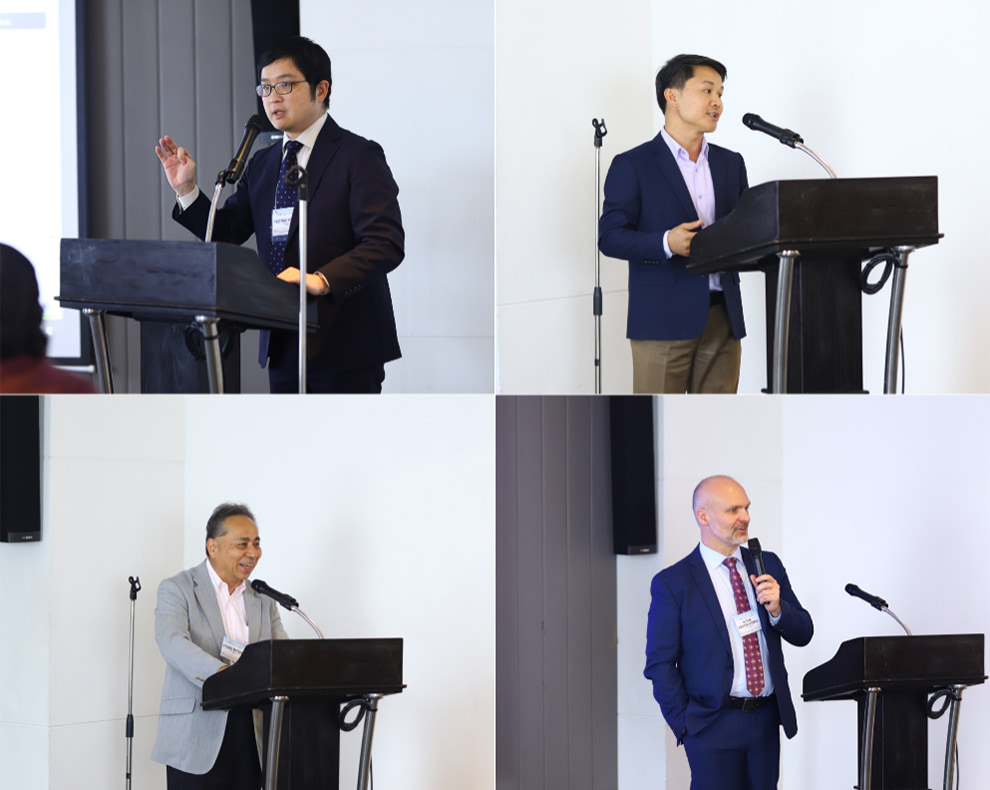
The latter part of the forum centered on aligning technical needs with investment opportunities. Representatives from various development partners—including Mr. Tsutomu Koyama from the Asian Development Bank (ADB), Mr. Ounheuan Saiyasith from the Australian Centre for International Agricultural Research (ACIAR), Dr. Atsuro Matsuda from the National Agriculture and Food Research Organization (NARO), and Dr. Nathan Borgford-Parnell from the Climate and Clean Air Coalition (CCAC)—shared funding strategies that support national climate priorities. A Q&A session explored how to blend science, local needs, and investment to scale results across Southeast Asia.
Dr. Roger Hegarty of NZGARC and Dr. Pacheco emphasized that effective communication and knowledge exchange were key to the forum's success. Dr. Pacheco noted the shared willingness among participants to collaborate as one of the workshop's most promising outcomes, adding, "Small, well-informed steps can unlock big transformation."
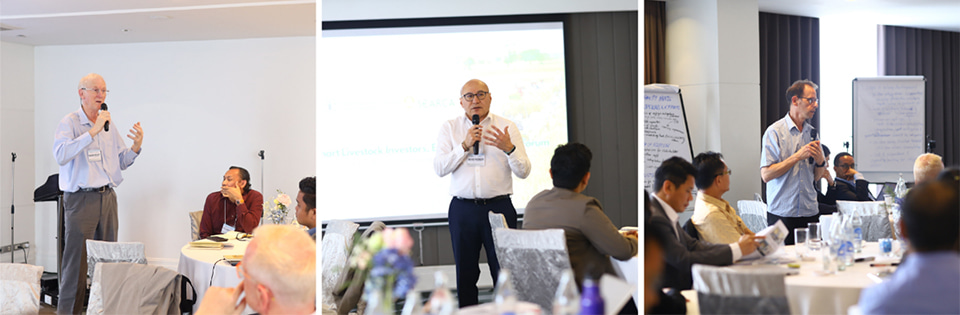
Dr. Andreas Wilkes of NZAGRC mentioned the establishment of a regional Community of Practice (CoP), inspired by New Zealand's model, to sustain collaboration.
Participants revisited their written expectations from the forum's first dayand reaffirmed their commitment to regional cooperation.
The forum concluded with a united commitment to advance low-emission livestock development. This includes strengthening regional collaboration on emissions measurement, reporting systems, capacity building, and policy integration, while promoting the inclusion of livestock in national climate strategies and co-investment initiatives for a more sustainable agricultural future.